



This Work Package develops an integrated ecosystem of data, computing infrastructure, and Artificial Intelligence to make research more open, reliable, and innovative. Through data management and standardization, access to advanced computing resources, and the development of reliable and explainable AI tools, the project creates the conditions to transform data into new knowledge and applications. Open-source resources and services will be accessible to researchers, businesses, and public organizations, fostering collaboration, research reproducibility, and the adoption of advanced technologies, particularly by SMEs.
This Work Package develops new photonic and quantum infrastructures, services, and technologies to enable emerging Quantum AI paradigms. Activities integrate machine learning, quantum simulation, advanced photonics, and nanofabrication, developing models and tools for the simulation and control of complex quantum systems. Particular attention is paid to quantum fluid dynamics, photonic neuromorphic networks, and distributed quantum computing, alongside the development of optimized quantum services and networks. The Work Package also explores novel photonic architectures based on quantum interference and entangled states, aiming to realize more efficient and scalable Quantum AI systems. The developed infrastructures and solutions strengthen the capabilities of LENS nodes and foster new applications, collaborations, and innovation opportunities in the field of quantum and photonic technologies.

This Work Package develops a scalable, open national experimental infrastructure that integrates Beyond 5G networks, distributed AI services, and quantum technologies. Activities include the development of new solutions for radio, optical, and quantum communication and sensing, alongside infrastructure for the Quantum Internet and Quantum Key Distribution (QKD). The Work Package also aims to make networks more intelligent, flexible, and resilient through automation and orchestration systems, as well as advanced quantum computing and machine learning algorithms. The developed technologies and prototypes will be validated within an infrastructure open to companies and research centers, fostering experimentation, technology transfer, and the development of new applications for next-generation networks.
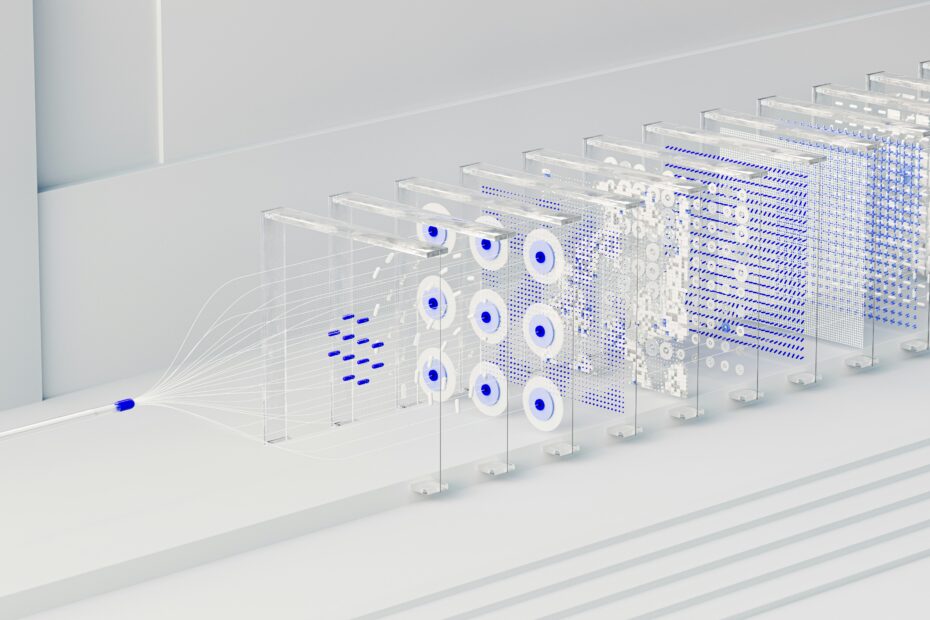
This Work Package integrates artificial intelligence, photonics, and quantum technologies to develop next-generation sensing and spectroscopy systems. Activities combine advanced microscopy and ultrafast spectroscopy techniques with photonic, quantum, and bio-hybrid sensors, enhancing their precision, speed, and analytical capabilities. AI is employed to automate experimental processes, optimize measurements, and interpret vast amounts of data, opening up new possibilities in environmental monitoring, diagnostics, infrastructure monitoring, and biomedical applications. Furthermore, the Work Package develops innovative materials and devices, alongside secure and resilient IoT solutions based on edge computing and quantum communication, helping to transform classical and quantum sensing into smarter, more efficient, and adaptive systems.
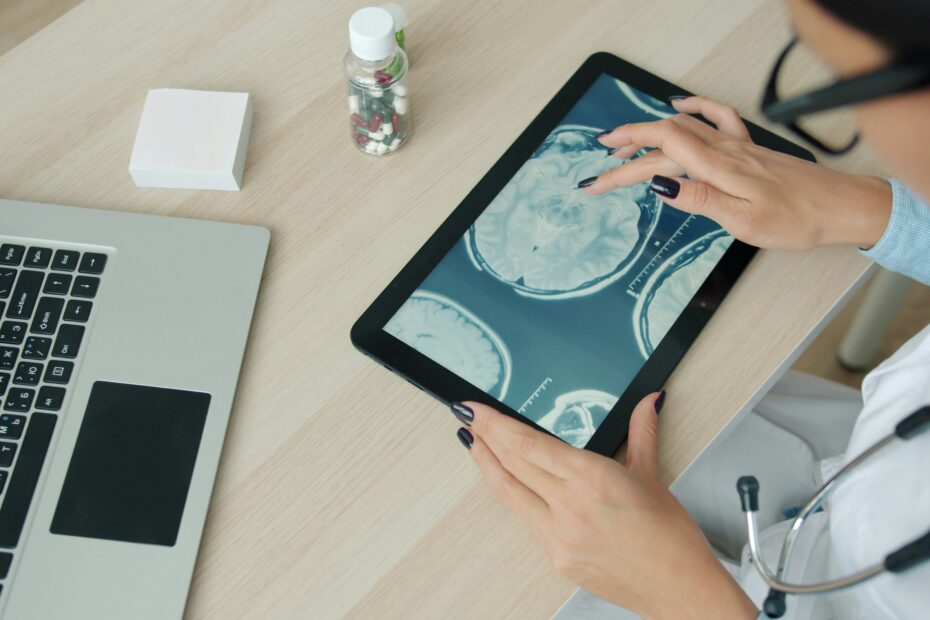
This Work Package develops integrated solutions based on photonics, quantum technologies, and artificial intelligence for digital health and biomedical diagnostics. Activities combine interoperable data management and federated AI with advanced bioimaging, biosensing, and spectroscopy techniques to create more precise, non-invasive, and personalized systems for health analysis and monitoring. Particular emphasis is placed on innovative platforms for multimodal imaging, optical and nanophotonic sensors, breath analysis, and molecular diagnostic technologies, alongside the clinical validation of AI-based solutions for next-generation radiotherapy. Furthermore, the Work Package strengthens the LENS nodes in Lecce and Messina, contributing to the creation of a distributed, interoperable national infrastructure for health research and innovation.
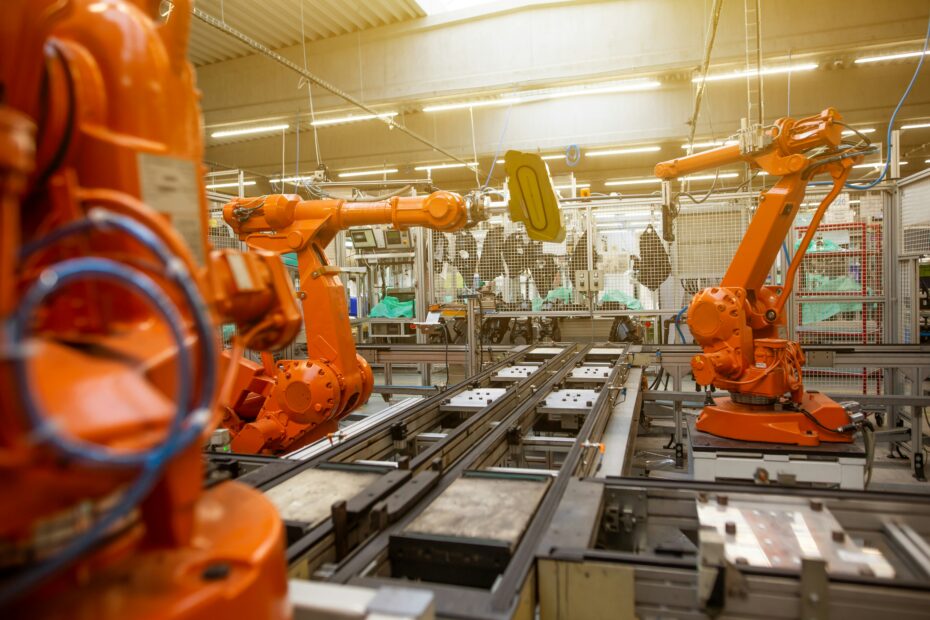
This Work Package develops intelligent technologies for next-generation industrial systems by combining Artificial Intelligence, photonics, and advanced network infrastructures. Activities include developing an edge-native platform for the adaptive, real-time management of industrial robotics in Beyond-5G environments, and creating smart solar modules that combine semi-transparent perovskite solar cells with electrochromic layers, utilizing AI for predictive design and real-time control. Furthermore, the work package focuses on enhancing ultra-short, ultra-intense laser systems through machine learning techniques for diagnostics, stabilization, and adaptive beam control. The developed solutions will be validated via prototypes, models, and demonstrators, contributing to the transition toward smarter, more efficient, autonomous, and scalable industrial processes.
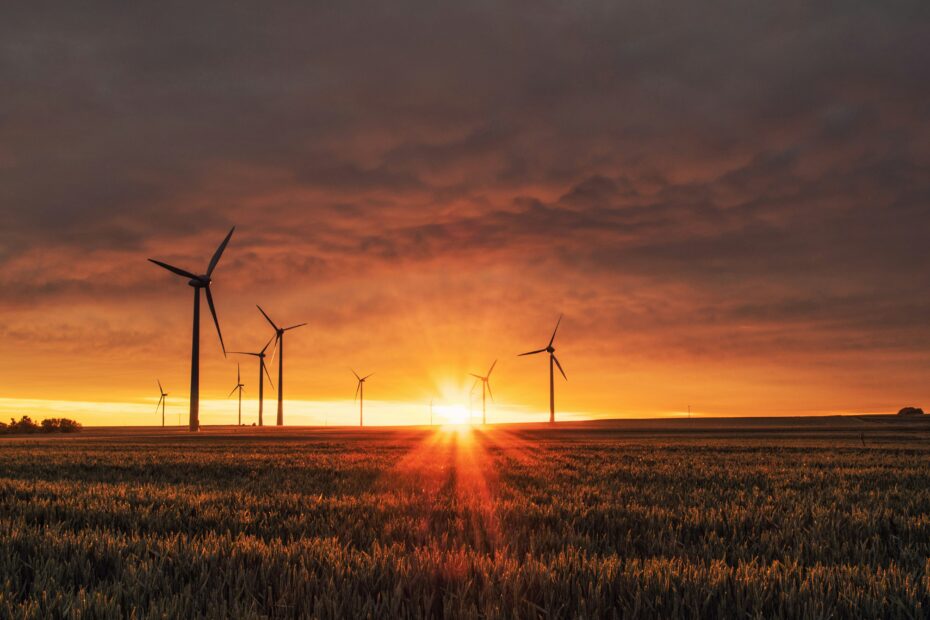
WP7 develops innovative solutions based on artificial intelligence, advanced sensing, and high-performance computing to support the energy transition and enhance environmental sustainability. Activities focus on renewable energy planning and management, the development of high-efficiency photovoltaic technologies, and the intelligent monitoring of the territory and environmental risks. Particular attention is paid to new photovoltaic materials and architectures—including perovskite/silicon tandem solutions—and to the use of AI to optimize production processes and detect defects and anomalies at an early stage. The WP thus aims to foster innovation in the energy and environmental sectors, strengthening the link between research, industry, and practical applications.

WP8 strengthens technology transfer between research and businesses, with particular attention to SMEs, through services, training and experimentation activities. The activities include the creation of a digital catalog of AI-PHOQUS services and technologies and an advanced training program on artificial intelligence, quantum technologies, photonics and hybrid networks. Furthermore, the design and implementation of advanced Proof of Concepts that integrate edge computing, artificial intelligence and IoT systems with quantum technologies is planned. The objective is to encourage the adoption of emerging technologies, develop advanced skills and create new collaborations between research and industry, in particular supporting the innovation and competitiveness of Italian SMEs.

WP9 ensures the scientific, technical, and administrative coordination of AI-PHOQUS, guaranteeing the proper progress of activities, adherence to timelines and objectives, and effective resource management. Activities include monitoring project quality and performance, administrative and financial management, partner support, and risk management. The work package also oversees internal and external communication, the organization of key project events, and the development of new funding opportunities to strengthen the future sustainability of AI-PHOQUS. Through shared governance and coordination among all partners, WP9 ensures management that is efficient, transparent, and focused on achieving the project's objectives.